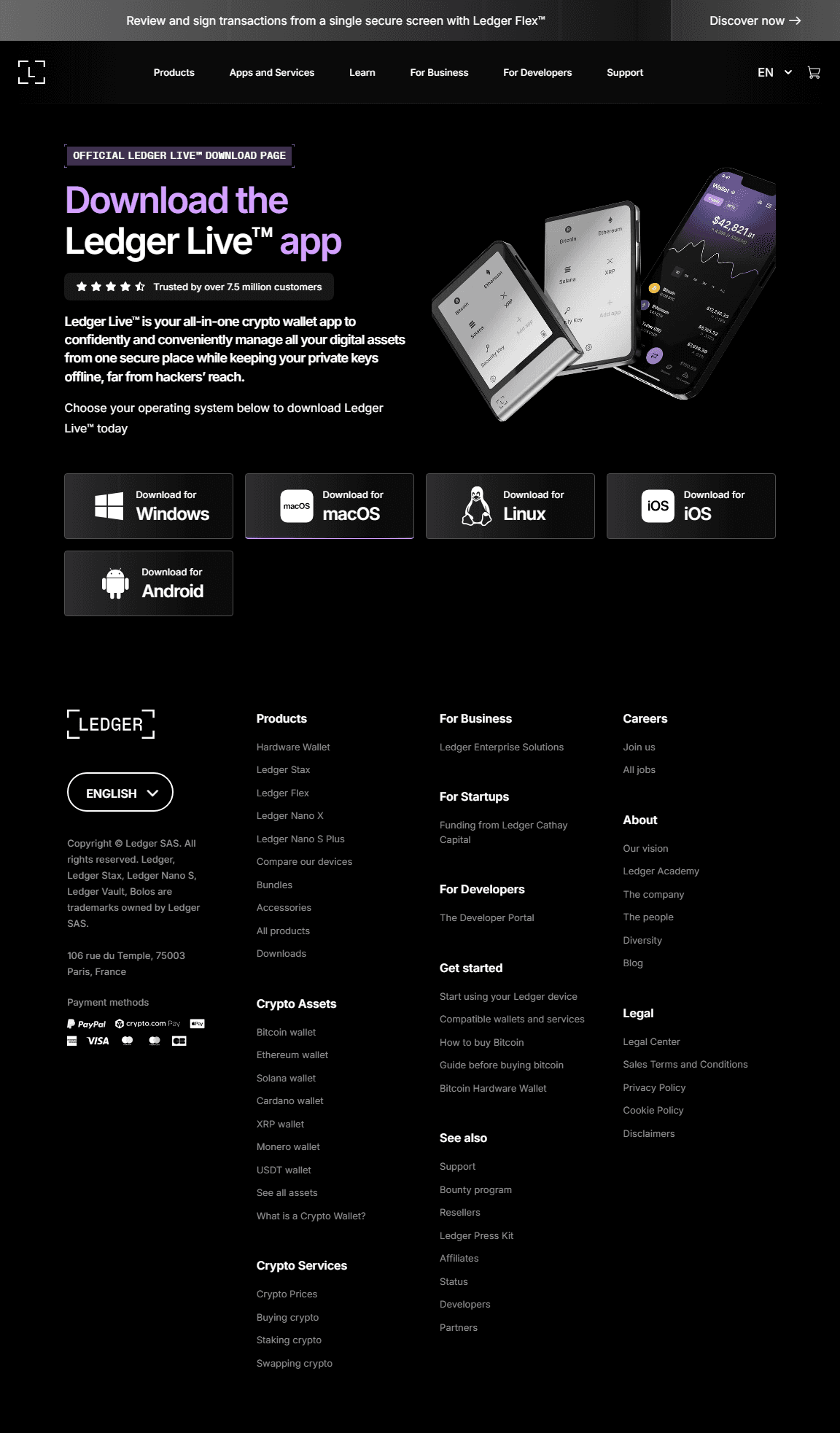
Ledger Live Login: A Complete Guide to Securely Access Your Cryptocurrency
Ledger Live is the official application for Ledger hardware wallets, providing users with a secure and user-friendly interface to manage cryptocurrency. Unlike traditional login systems that rely on usernames and passwords, Ledger Live uses the Ledger hardware device itself as the authentication mechanism. This unique login system ensures that private keys never leave your device and that all critical actions, including transactions and account management, are verified directly on the hardware wallet.
This guide explores the Ledger Live login process in detail, covering setup, authentication, security protocols, troubleshooting, and best practices. By understanding how Ledger Live login works, users can safely access and manage their crypto assets while minimizing risk.
Understanding Ledger Live Login
Ledger Live login differs from conventional online logins in fundamental ways. Instead of relying on an email and password stored in the cloud, Ledger Live uses your hardware wallet as the primary authentication method.
Key Principles of Ledger Live Login:
Hardware-Based Authentication: Your Ledger device verifies your identity. Without physical access to the device, no one can log in.
PIN Code Protection: The device is secured with a PIN that prevents unauthorized access.
No Cloud Storage of Keys: Ledger Live does not store private keys on your computer or online servers. All signing operations are performed within the hardware wallet.
Device Verification for Transactions: Every transaction or change to accounts must be confirmed on the Ledger device.
Because of these features, Ledger Live login is not just a method of accessing software—it is a security procedure designed to protect your assets from digital attacks.
How Ledger Live Login Works
Logging into Ledger Live involves both the software interface and the hardware wallet. The login process is straightforward, but it requires the physical Ledger device to complete.
Step-by-Step Ledger Live Login:
Launch Ledger Live: Open the application on your computer or mobile device.
Connect Your Ledger Device: Use a USB cable or Bluetooth (if using Ledger Nano X) to connect your hardware wallet to the device running Ledger Live.
Enter PIN on Your Device: Unlock the Ledger device by entering the PIN code you created during setup.
Open Cryptocurrency App on Device: Depending on the asset you want to manage, open the corresponding app (e.g., Bitcoin, Ethereum) on your Ledger device.
Ledger Live Synchronizes Accounts: The software automatically detects the accounts associated with your device and synchronizes balances and transaction history.
Once this process is complete, you are fully logged into Ledger Live and can manage your cryptocurrency securely.
Security Advantages of Ledger Live Login
The Ledger Live login system is designed to prioritize security while remaining user-friendly.
1. Offline Key Storage
All private keys are stored inside the hardware device. They never leave the device, preventing malware or hackers from gaining access.
2. Physical Transaction Verification
Every outgoing transaction must be confirmed on the Ledger device. This ensures that malware on your computer cannot manipulate addresses or amounts.
3. PIN Protection
The PIN code acts as the first line of defense. Without it, unauthorized users cannot unlock the device. Multiple incorrect attempts trigger delays or even a complete device reset, further protecting assets.
4. Passphrase Options
Users can add an additional passphrase to create hidden wallets, increasing security and privacy.
5. Device-Based Confirmation
Ledger Live requires users to confirm every significant action directly on the hardware device, ensuring that all operations are authenticated.
Together, these measures make Ledger Live login one of the most secure access methods in the cryptocurrency ecosystem.
Setting Up Ledger Live for Login
Before you can log in, Ledger Live and your hardware device must be properly set up.
Step 1: Install Ledger Live
Install Ledger Live on a trusted device. It is available for desktop and mobile platforms.
Step 2: Initialize Your Ledger Device
If using a new Ledger device:
Set a secure PIN.
Generate a recovery seed and write it down safely.
Confirm the recovery seed on the device.
Step 3: Connect Ledger Live to the Device
Use a USB cable or Bluetooth to connect the Ledger hardware wallet to the computer or mobile device. Ledger Live will detect the device.
Step 4: Add Cryptocurrency Accounts
Open the relevant cryptocurrency app on the Ledger device and add accounts in Ledger Live. These accounts will be accessible once logged in.
With this setup complete, you can log in securely whenever you connect your device to Ledger Live.
Common Issues During Ledger Live Login
While Ledger Live is generally reliable, users may encounter some challenges:
Device Not Detected
Check that the USB cable or port is functioning properly.
Ensure the device is unlocked and the correct app is open.
Restart Ledger Live and the computer or mobile device.
PIN Entry Issues
Multiple incorrect PIN attempts may temporarily lock the device.
If the device resets, use the recovery seed to restore accounts.
Account Synchronization Problems
Ensure the Ledger Live application is updated.
Open the correct app on the device corresponding to the cryptocurrency being accessed.
Bluetooth Connection Issues (Nano X)
Verify Bluetooth is enabled and the device is paired properly.
Close other apps that may interfere with the connection.
Understanding these common issues helps ensure a smooth login experience.
Best Practices for Ledger Live Login
To maximize security and usability:
Keep Your Recovery Seed Offline: Never store it digitally. Physical backups are safest.
Use a Strong PIN: Longer and non-obvious PINs increase security.
Verify Transactions on the Device: Always double-check the amount and recipient before confirming.
Update Firmware and Software Regularly: Security patches and improvements are critical.
Avoid Public or Shared Devices: Always log in using a trusted device.
Enable Optional Passphrase Protection: For added privacy and hidden wallets.
Reject Unsolicited Requests: Do not approve transactions or prompts you did not initiate.
Following these practices ensures that Ledger Live login remains secure under all circumstances.
Advantages of Ledger Live Login
The Ledger Live login system provides multiple benefits for users:
Full Custody of Assets: Private keys never leave your hardware wallet.
Enhanced Security: Transactions require device verification, preventing unauthorized transfers.
Offline Protection: Malware or phishing attacks cannot compromise private keys.
User-Friendly Interface: Easy to access accounts and manage crypto while maintaining strong security.
Multi-Account Management: Manage multiple cryptocurrencies from a single interface.
Conclusion
Ledger Live login is more than a method of accessing software—it is a secure, device-centered authentication system. By combining hardware-based verification, PIN protection, and optional passphrases, Ledger Live ensures that only the person with the physical Ledger device can access and manage cryptocurrency accounts.
This login approach provides users with peace of mind, knowing that their digital assets are protected from online threats and unauthorized access. By following proper setup procedures, maintaining device security, and adhering to best practices, Ledger Live users can confidently manage their portfolios, send and receive cryptocurrency, stake tokens, and perform all necessary operations securely.
Ledger Live’s combination of convenience, security, and usability makes it an essential tool for anyone using Ledger hardware wallets to maintain control over their crypto assets.